Food allergies are becoming increasingly common in today’s world. They occur when the body’s immune system reacts abnormally to certain foods. While most people enjoy a wide variety of foods without problems, some experience adverse reactions that range from mild discomfort to life-threatening emergencies. Understanding the symptoms, causes, and proper management of food allergies is essential for maintaining health and safety.
What Are Food Allergies?
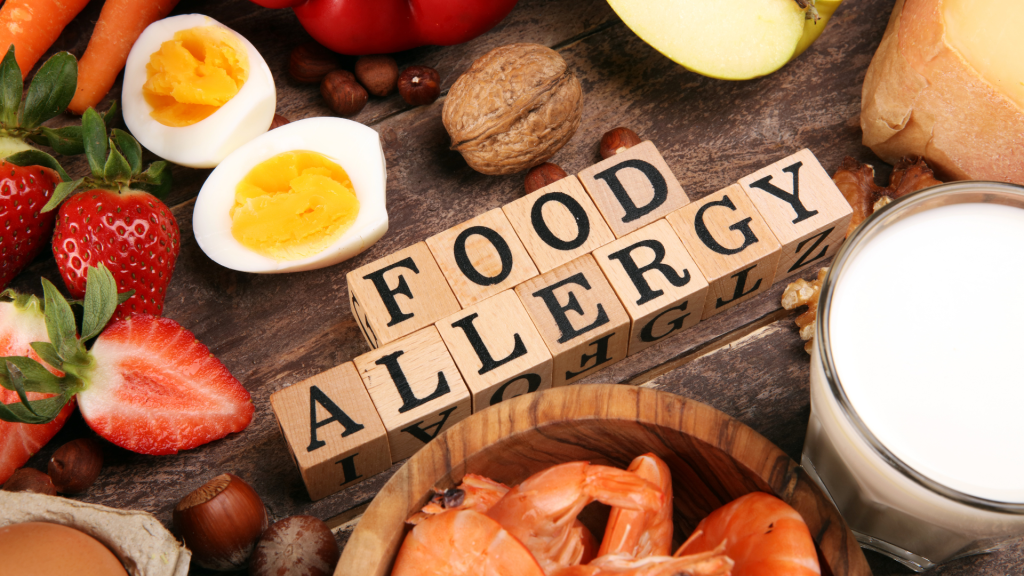
A food allergy happens when the immune system mistakenly identifies a specific protein in food as harmful. This triggers the release of chemicals, such as histamine, leading to various symptoms. Common allergenic foods include peanuts, tree nuts, milk, eggs, shellfish, fish, soy, and wheat. While anyone can develop a food allergy at any age, children are more commonly affected.
Food allergies are different from food intolerances. While intolerances may cause digestive discomfort, allergies involve the immune system and can cause severe reactions, including anaphylaxis, which is a medical emergency.
Common Symptoms of Food Allergies
The symptoms of food allergies can vary from person to person and sometimes even from one exposure to another. They usually appear within minutes to a few hours after consuming the allergenic food. Recognizing these symptoms early can help prevent serious complications.
1. Skin Reactions
The most common signs of a food allergy often appear on the skin. These include:
- Hives: Raised, red, itchy bumps that may appear suddenly.
- Eczema flare-ups: Worsening of pre-existing skin conditions.
- Swelling: Particularly on the lips, face, tongue, and throat, which can be dangerous if it obstructs breathing.
2. Digestive Issues
Food allergies can affect the digestive system. Symptoms may include:
- Abdominal pain or cramping
- Nausea or vomiting
- Diarrhea
These symptoms are more common in children but can occur at any age.
3. Respiratory Problems
Allergic reactions may also involve the respiratory system, leading to:
- Sneezing or a runny nose
- Coughing or wheezing
- Shortness of breath or difficulty breathing
Severe respiratory symptoms require immediate medical attention.
4. Anaphylaxis
Anaphylaxis is the most severe form of a food allergy reaction. It can be life-threatening if not treated promptly. Symptoms include:
- Severe swelling of the throat or tongue
- Difficulty breathing
- Rapid or weak pulse
- Drop in blood pressure
- Dizziness or loss of consciousness
Anyone experiencing these symptoms should receive emergency medical care immediately, usually with an epinephrine injection.
Causes and Risk Factors
Food allergies can develop due to genetic and environmental factors. Some common causes and risk factors include:
- Family history: Children with parents who have allergies are more likely to develop food allergies.
- Other allergic conditions: People with asthma, eczema, or hay fever may have a higher risk.
- Age: Infants and young children are more prone to developing allergies, though some may outgrow them.
- Immune system sensitivity: An overactive immune system may trigger allergic responses.
How Food Allergies Are Diagnosed
If you suspect a food allergy, a healthcare professional can help with diagnosis. Common methods include:
- Medical history review: Discussing symptoms, frequency, and possible triggers.
- Skin prick tests: Small amounts of allergens are introduced to the skin to check for reactions.
- Blood tests: Measure the immune system’s response to specific foods.
- Oral food challenge: Conducted under medical supervision, small amounts of suspected allergens are consumed to monitor reactions.
Accurate diagnosis is essential to avoid unnecessary food restrictions and to prevent dangerous reactions.
Managing Food Allergies
Managing food allergies involves avoiding allergens, being prepared for accidental exposure, and working closely with healthcare providers.
1. Avoiding Allergens
The most effective way to prevent allergic reactions is to avoid foods that trigger them. This includes:
- Reading food labels carefully
- Asking about ingredients when eating out
- Being cautious with cross-contamination in kitchens
2. Emergency Preparedness
For individuals with severe allergies, always carry emergency medication, such as an epinephrine auto-injector. Learn how to use it and ensure family, friends, and caregivers know as well.
3. Medications
Some medications can help manage mild symptoms. These may include:
- Antihistamines: For mild skin or digestive reactions
- Inhalers: For asthma-like symptoms
However, medications cannot replace avoidance or treat severe reactions like anaphylaxis.
4. Medical ID and Awareness
Wearing a medical ID bracelet can alert others in an emergency. Educating family, friends, teachers, and coworkers about your allergy is also crucial.
5. Immunotherapy (Emerging Treatments)
Researchers are exploring oral immunotherapy, which gradually introduces small amounts of allergens to build tolerance. While promising, this treatment is still under careful medical supervision and is not suitable for everyone.
Tips for Living with Food Allergies
Living with food allergies can be challenging, but with proper precautions, individuals can lead a normal, healthy life. Here are some practical tips:
- Always carry an emergency plan and medications.
- Cook at home when possible to control ingredients.
- Communicate your allergies clearly at restaurants or social events.
- Join support groups to share experiences and learn coping strategies.
- Keep a food diary to track reactions and identify hidden allergens.
Conclusion
Food allergies are a serious health concern that require awareness, vigilance, and proper management. Recognizing the symptoms early, avoiding triggers, and being prepared for emergencies can significantly reduce risks. With the right knowledge and support, individuals with food allergies can live safely and confidently.
Frequently Asked Questions (FAQs)
1. Can food allergies develop in adulthood?
Yes, food allergies can appear at any age, even in adults who previously ate the same foods without problems.
2. How do I know if it’s an allergy or intolerance?
Allergies involve the immune system and can cause severe reactions like anaphylaxis, while intolerances usually only cause digestive issues.
3. Can children outgrow food allergies?
Some food allergies, such as milk, egg, or wheat, may be outgrown during childhood. Others, like peanut or shellfish allergies, are more likely to persist for life.
4. What should I do if I accidentally eat an allergen?
Take your prescribed medication immediately and seek medical help if symptoms are severe. For life-threatening reactions, use an epinephrine auto-injector and call emergency services.
5. Are there natural remedies for food allergies?
No natural remedies can reliably prevent or treat food allergies. Avoidance and medical treatment remain the safest approaches.