LASIK surgery has become one of the most popular options for people looking to improve their vision without the need for glasses or contact lenses. Whether you are tired of fumbling for your glasses or frustrated with contact lenses, LASIK can seem like an appealing solution. However, like any medical procedure, it comes with both benefits and risks. Understanding them in detail can help you make an informed decision.
What is LASIK Surgery?
LASIK stands for Laser-Assisted In Situ Keratomileusis. It is a type of refractive eye surgery that corrects common vision problems such as myopia (nearsightedness), hyperopia (farsightedness), and astigmatism. The procedure reshapes the cornea, which is the clear front part of the eye, so that light entering the eye focuses correctly on the retina.
LASIK is generally performed on an outpatient basis, meaning you don’t need to stay in the hospital overnight. The surgery is quick—usually about 15 minutes per eye—and most people notice improved vision almost immediately or within a day.
Benefits of LASIK Surgery
LASIK is popular because it offers several significant advantages. Here’s a closer look:
1. Quick Vision Improvement
One of the biggest benefits of LASIK is how quickly it works. Most patients notice a dramatic improvement in their vision within 24 hours. For many, it eliminates the need for glasses or contact lenses almost entirely. This immediate improvement can feel life-changing, especially for those who have struggled with poor vision for years.
2. Long-Term Cost Savings
Although LASIK surgery can seem expensive initially, it may save you money in the long run. Consider the cost of glasses, contact lenses, cleaning solutions, and regular eye exams over many years. LASIK is a one-time expense that can reduce or even eliminate these ongoing costs.
3. Freedom and Convenience
Wearing glasses or contacts can sometimes feel inconvenient. Glasses can fog up, get dirty, or slide down your nose, and contact lenses require careful cleaning and handling. LASIK offers freedom from these daily hassles, allowing you to wake up and see clearly without reaching for corrective lenses.
4. Enhanced Lifestyle
For people who are active in sports or outdoor activities, LASIK can make life easier and safer. Swimming or playing sports without worrying about glasses or contacts can improve your quality of life. Many athletes choose LASIK for the freedom it provides.
5. High Success Rate
LASIK has a high success rate. Studies show that more than 90% of patients achieve 20/40 vision or better after the procedure, which is good enough for driving without corrective lenses in most countries. Many patients achieve 20/20 vision or even better.
Risks and Complications of LASIK Surgery
While LASIK has many benefits, it is not risk-free. Understanding the potential complications is crucial before making a decision.
1. Dry Eyes
One of the most common side effects of LASIK is dry eyes. The surgery can temporarily reduce tear production, causing discomfort, burning, or itching. In most cases, this condition improves within a few weeks or months, and eye drops can help.
2. Visual Disturbances
Some patients experience glare, halos, or double vision, especially at night. This can make driving at night difficult. While these symptoms often improve over time, they may persist in some cases.
3. Under-Correction or Over-Correction
LASIK reshapes the cornea, but results can vary. Some patients may not achieve perfect vision and might still need glasses or contacts. Occasionally, a second procedure, known as an enhancement, may be required.
4. Flap Complications
During LASIK, a thin flap is created on the cornea. Rarely, complications can occur with this flap, such as infections or irregular healing, which may affect vision.
5. Loss of Vision (Rare)
Severe complications leading to permanent vision loss are extremely rare, but they can occur. This is why selecting a highly experienced surgeon and having thorough preoperative evaluations is essential.
Who is a Good Candidate for LASIK?
Not everyone is eligible for LASIK. Good candidates typically meet the following criteria:
- Over 18 years old, with stable vision for at least a year
- Healthy corneas without significant thinning or disease
- No severe dry eye problems
- Not pregnant or breastfeeding (hormonal changes can affect vision)
- Realistic expectations about the outcome
A thorough eye examination and consultation with a qualified ophthalmologist are essential to determine if LASIK is suitable for you.
What to Expect During LASIK Surgery
Here’s a brief overview of what happens during LASIK:
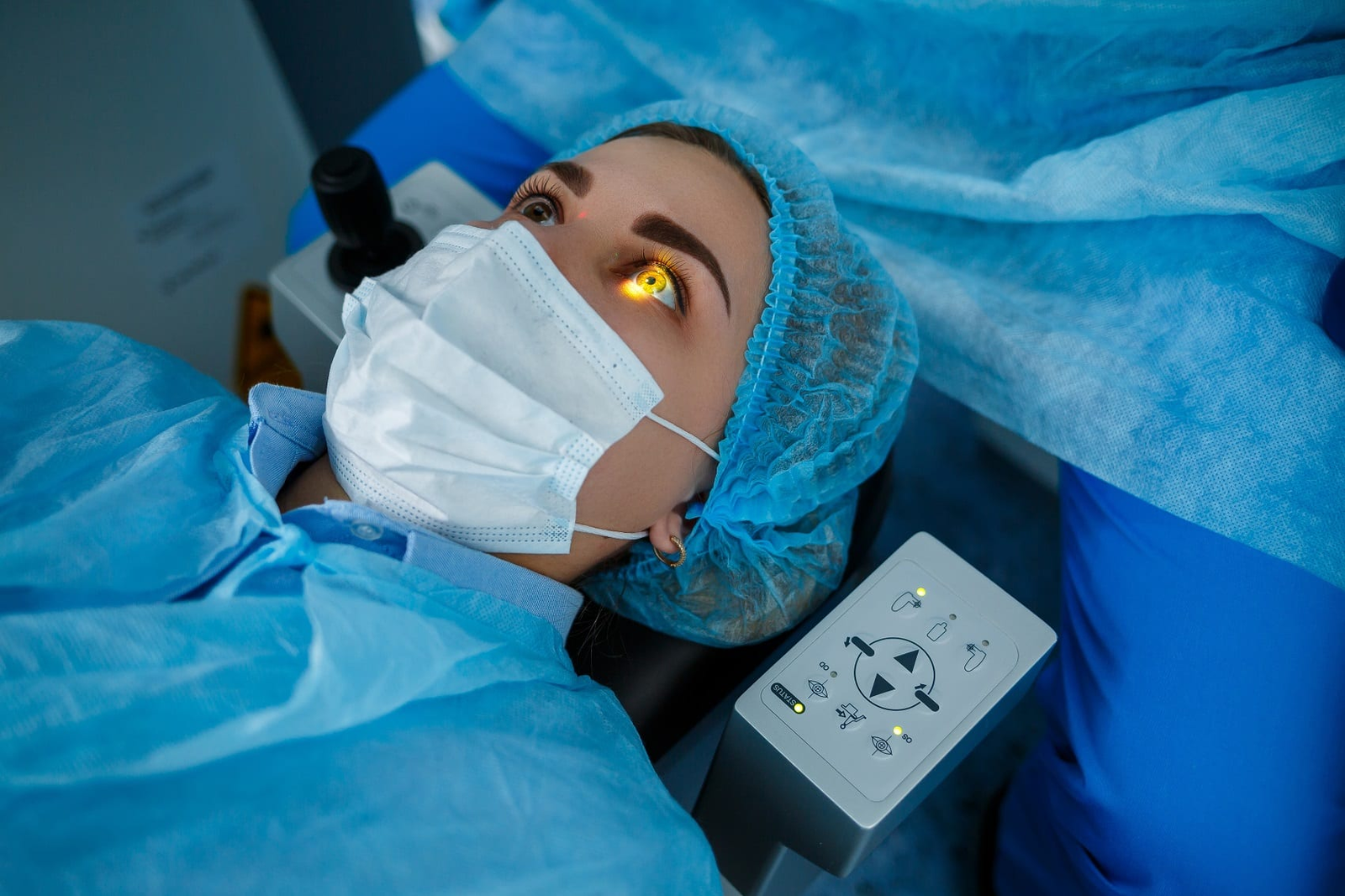
- Preparation: Your eyes are numbed with special drops, and an eyelid holder keeps you from blinking.
- Creating the Flap: The surgeon creates a thin flap on the cornea using a microkeratome or laser.
- Reshaping the Cornea: A laser reshapes the cornea to correct vision.
- Replacing the Flap: The flap is carefully repositioned, and it naturally heals without stitches.
- Recovery: Most patients notice immediate improvement, with minimal pain or discomfort. Eye drops and follow-up visits help ensure proper healing.
Recovery and Aftercare
Recovery from LASIK is usually quick. Most people return to normal activities within a day or two. However, it’s important to follow your surgeon’s instructions, including:
- Using prescribed eye drops to prevent infection and dryness
- Avoiding rubbing your eyes
- Wearing protective eyewear if necessary
- Attending follow-up appointments to monitor healing
Full stabilization of vision may take a few weeks, and it’s normal to experience temporary fluctuations in vision during this period.
FAQs About LASIK Surgery
1. Does LASIK surgery hurt?
Most patients experience little to no pain during LASIK because numbing eye drops are used. You might feel slight pressure during the procedure, but it is generally painless.
2. Can LASIK correct all vision problems?
LASIK is effective for nearsightedness, farsightedness, and astigmatism, but it may not correct severe prescriptions or other eye conditions. Your ophthalmologist will evaluate your suitability.
3. How long does LASIK last?
The results of LASIK are usually long-lasting. However, natural changes in vision can occur with age, such as presbyopia, which may require reading glasses later in life.
4. Are there any side effects after LASIK?
Common side effects include dry eyes, glare, halos, or mild discomfort. These usually resolve within a few weeks to months. Rare complications can be more serious.
5. Is LASIK safe?
LASIK is considered very safe, with a high success rate. Choosing an experienced surgeon and following pre- and post-surgery instructions significantly reduce risks.
Conclusion
LASIK surgery offers remarkable benefits, including improved vision, freedom from glasses and contacts, and enhanced quality of life. However, it is not without risks, such as dry eyes, visual disturbances, or the need for enhancement procedures.
The key to a successful LASIK experience is careful research, realistic expectations, and consultation with a qualified ophthalmologist. When performed by an experienced professional, LASIK can be life-changing, helping millions see the world more clearly and independently.
✅ Word count: ~1,210 words