Our eyes are one of the most important organs in our body. They allow us to see the world, experience beauty, and stay safe in our daily lives. But sometimes, vision problems can sneak up on us slowly, and we may not realize we need professional help. That’s where an eye doctor for vision problems comes in. This article will explain everything you need to know about eye doctors, common vision issues, treatments, and how to take care of your eyesight.
Who Is an Eye Doctor?
An eye doctor is a medical professional trained to diagnose and treat vision problems. There are mainly two types of eye doctors you might visit:
- Optometrist – They examine your eyes, test your vision, and prescribe glasses or contact lenses. They can also detect some eye diseases.
- Ophthalmologist – They are medical doctors who specialize in eye care, including surgery. They treat serious eye conditions such as glaucoma, cataracts, or retinal disorders.
When you have vision problems, seeing an eye doctor is the first step to ensure your eyes stay healthy and your vision is corrected properly.
Common Vision Problems
Vision problems can affect people of all ages. Some of the most common ones include:
- Nearsightedness (Myopia) – Difficulty seeing distant objects clearly. People with myopia may see nearby objects well but struggle to see things far away.
- Farsightedness (Hyperopia) – Difficulty seeing nearby objects clearly. Farsighted people may need reading glasses.
- Astigmatism – A condition where the eye’s surface is curved unevenly, causing blurred vision at all distances.
- Presbyopia – Age-related vision change, making it hard to see things up close. It usually begins around age 40.
- Glaucoma – A serious eye disease where the optic nerve is damaged, often by high eye pressure, which can lead to permanent vision loss if untreated.
- Cataracts – Clouding of the eye’s lens that makes vision blurry. Cataracts are common in older adults but are treatable with surgery.
Early detection of these problems is crucial. Many eye conditions progress slowly and may not cause noticeable symptoms at first. Regular eye checkups can prevent long-term damage.
Signs You Need to See an Eye Doctor
You might wonder when it’s time to visit an eye doctor. Some signs include:
- Blurry vision or difficulty focusing
- Trouble seeing at night
- Frequent headaches
- Eye strain or discomfort
- Seeing halos or glare around lights
- Sudden vision changes
Even if you don’t have symptoms, adults should get a comprehensive eye exam every 1–2 years, and children should have their eyes checked regularly. Early detection can save your vision.
What Happens During an Eye Exam?
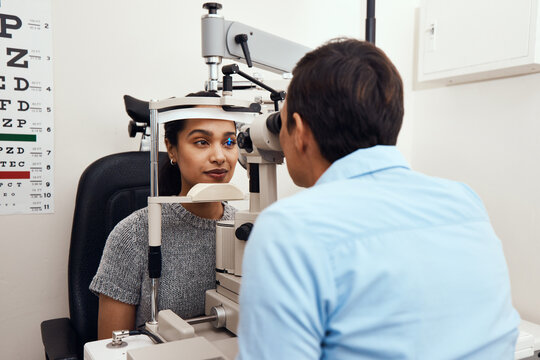
Visiting an eye doctor may seem intimidating, but the process is usually simple and painless. Here’s what typically happens:
- Medical History – The doctor will ask about your overall health, family history of eye diseases, and any symptoms you have.
- Vision Test – You’ll read letters on a chart to check your ability to see clearly at different distances.
- Eye Pressure Measurement – This helps detect glaucoma.
- Eye Health Check – The doctor examines the retina, optic nerve, and other parts of the eye using special tools.
- Prescription – If needed, the doctor will prescribe glasses, contact lenses, or recommend other treatments.
Eye exams not only help correct vision but also detect underlying health problems like diabetes or high blood pressure that may affect the eyes.
Treatments for Vision Problems
After diagnosis, your eye doctor will recommend treatment based on your condition. Common options include:
- Glasses or Contact Lenses – The most common solution for nearsightedness, farsightedness, and astigmatism.
- Medication – Eye drops or oral medication may be prescribed for conditions like glaucoma or infections.
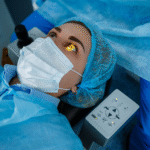
- Surgery – Procedures such as LASIK can correct certain refractive errors, while cataract surgery replaces cloudy lenses.
- Lifestyle Adjustments – Taking regular breaks from screens, proper lighting, and a healthy diet can improve eye health.
Modern eye care has advanced significantly, and many vision problems are treatable or manageable if detected early.
Preventing Vision Problems
Prevention is always better than cure. While not all eye conditions can be prevented, there are steps to reduce the risk of vision problems:
- Eat a diet rich in vitamins A, C, and E, and omega-3 fatty acids
- Wear sunglasses to protect from UV rays
- Take breaks during screen time to prevent eye strain
- Avoid smoking, which can increase the risk of eye diseases
- Get regular eye exams
These habits help maintain your eyesight and overall eye health for years to come.
Choosing the Right Eye Doctor
Finding a trustworthy eye doctor is important. Here’s what to consider:
- Qualifications – Check if the doctor is licensed and certified in their field.
- Experience – Especially for serious conditions, experience matters.
- Reviews and Recommendations – Ask friends or family for suggestions and read online reviews.
- Comfort Level – You should feel comfortable asking questions and discussing concerns with your doctor.
A good eye doctor not only treats vision problems but also guides you in maintaining long-term eye health.
FAQs About Eye Doctors for Vision Problems
1. How often should I visit an eye doctor?
Adults should have a comprehensive eye exam every 1–2 years, and children should get exams regularly based on age and risk factors.
2. Can eye problems be reversed?
Some vision problems like refractive errors can be corrected with glasses, contacts, or surgery. Others, like glaucoma, can be managed to prevent worsening but may not be fully reversible.
3. Is it normal to need reading glasses after 40?
Yes, this is due to presbyopia, an age-related change in the eye lens that makes near vision difficult.
4. Are eye exams painful?
No, most tests are painless. Eye drops may be used to dilate pupils, which can cause temporary blurred vision or light sensitivity.
5. Can lifestyle changes improve my vision?
While lifestyle changes cannot correct all vision problems, proper nutrition, screen breaks, and protective measures can help maintain healthy eyesight.
Conclusion
Vision is a precious gift, and protecting it should be a priority. An eye doctor for vision problems is your partner in maintaining clear and healthy eyesight. Regular eye exams, early detection of issues, and proper treatment can prevent serious complications and ensure you enjoy a lifetime of good vision. Don’t wait for symptoms to appear—schedule an eye exam today and take a proactive step toward your eye health.