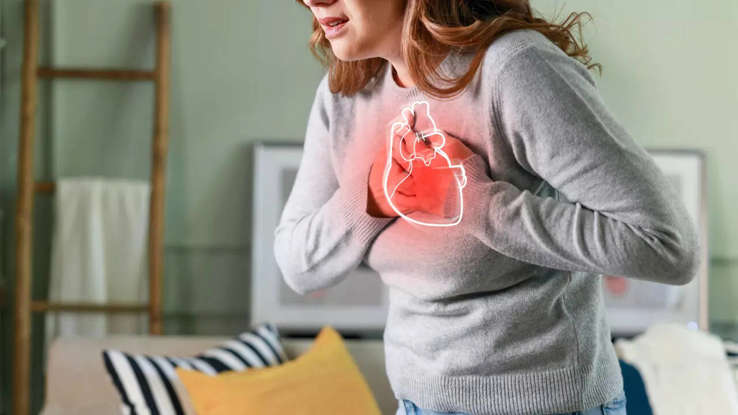
Heart disease is often thought of as a “man’s problem,” but the reality is that it is the leading cause of death for women worldwide. Despite this, many women are unaware of the early signs, which can differ from those commonly seen in men. Understanding these signs is essential because catching heart disease early can save lives. This article will explore the early warning signs of heart disease in women, why it often goes unnoticed, and how to take proactive steps toward heart health.
Why Heart Disease in Women Is Different
Women’s hearts are not just smaller versions of men’s hearts. Biological differences mean that women can experience different symptoms, disease progression, and risk factors. For instance:
- Women are more likely to have microvascular disease, which affects the small arteries of the heart rather than the main coronary arteries.
- Hormonal changes, especially during menopause, can influence heart health.
- Risk factors like diabetes, high blood pressure, and obesity often pose a greater threat to women than men.
Because of these differences, women’s early warning signs can be subtle or easily mistaken for less serious conditions, such as stress, fatigue, or digestive issues.
Early Signs of Heart Disease in Women
Recognizing the early signs of heart disease can make a huge difference. While some symptoms overlap with those in men, women often experience less obvious warning signs.
1. Unusual Fatigue
Feeling tired after a long day is normal, but persistent or unexplained fatigue can be a red flag. Women may experience exhaustion even after minimal physical activity. This type of fatigue is often overlooked because it can appear gradual and subtle.
2. Shortness of Breath
Shortness of breath, especially when it occurs without exertion, may indicate that the heart isn’t pumping efficiently. This symptom can happen suddenly or develop slowly over weeks or months. It’s important to take note if it occurs alongside fatigue, chest discomfort, or dizziness.
3. Chest Discomfort or Pain
While chest pain is the classic sign of a heart attack, women may not always experience sharp, crushing pain. Instead, they might feel:
- A tightness, pressure, or squeezing in the chest
- Pain that spreads to the neck, jaw, shoulder, or back
- Indigestion-like symptoms that come and go
These symptoms can sometimes be mistaken for heartburn or anxiety, delaying critical treatment.
4. Pain in Other Areas of the Body
Women may feel pain or discomfort in areas other than the chest, such as:
- Neck or jaw
- Upper back or shoulder
- Arms
These symptoms may be mild at first but can signal a developing heart problem, especially if they occur with exertion or stress.
5. Lightheadedness or Dizziness
Sudden dizziness or feeling faint can be a warning sign of reduced blood flow to the brain due to heart problems. This symptom is often accompanied by shortness of breath or palpitations.
6. Palpitations or Rapid Heartbeat
A heart that skips beats, flutters, or races unexpectedly may indicate an underlying heart condition. While sometimes these sensations are harmless, frequent palpitations should not be ignored, especially if accompanied by chest discomfort or shortness of breath.
7. Swelling in Legs, Ankles, or Feet
Fluid retention in the lower extremities can be a sign of heart failure. When the heart cannot pump effectively, blood can back up, leading to swelling. If you notice persistent swelling, it’s important to consult a healthcare professional.
8. Nausea, Vomiting, or Indigestion
Women may experience gastrointestinal symptoms as an early warning of heart disease. These may include:
- Unexplained nausea
- Heartburn
- Stomach pain
Because these signs mimic common digestive issues, they are often ignored.
9. Sleep Disturbances
Heart disease can affect your sleep. Women may notice:
- Difficulty falling asleep
- Waking up frequently at night
- Feeling unrested despite enough sleep
Sleep problems, especially when combined with fatigue and other symptoms, can be an early indicator of cardiovascular issues.
Risk Factors for Women
Understanding risk factors can help identify potential early warning signs. Some of the most common include:
- High blood pressure – Puts strain on the heart and arteries.
- High cholesterol – Leads to plaque buildup in arteries.
- Diabetes – Increases the risk of coronary artery disease.
- Smoking – Damages blood vessels and reduces oxygen to the heart.
- Obesity – Linked to high blood pressure, diabetes, and cholesterol issues.
- Sedentary lifestyle – Regular exercise strengthens the heart.
- Stress and depression – Chronic stress can negatively impact heart health.
- Family history – Genetics can play a significant role in risk.
Women should be particularly cautious during and after menopause, as reduced estrogen levels may increase the risk of heart disease.
How to Protect Your Heart
Early detection and lifestyle changes are key to protecting your heart. Here’s what women can do:
- Regular Check-Ups: Schedule routine screenings for blood pressure, cholesterol, and blood sugar.
- Know Your Symptoms: Keep track of unusual fatigue, chest discomfort, or shortness of breath.
- Exercise Regularly: Aim for at least 150 minutes of moderate-intensity exercise per week.
- Eat a Heart-Healthy Diet: Include fruits, vegetables, whole grains, lean proteins, and healthy fats.
- Manage Stress: Meditation, yoga, and deep-breathing exercises can help reduce stress levels.
- Avoid Smoking and Limit Alcohol: Both increase the risk of heart disease.
- Get Enough Sleep: Aim for 7–9 hours of quality sleep each night.
When to See a Doctor
Seek medical attention immediately if you experience:
- Severe chest pain or pressure
- Shortness of breath with minimal activity
- Fainting or severe dizziness
- Unusual fatigue combined with other symptoms
Even mild or intermittent symptoms should prompt a conversation with a healthcare professional, especially if you have risk factors.
FAQs About Early Signs of Heart Disease in Women
1. Can women have a heart attack without chest pain?
Yes. Women are more likely than men to experience atypical symptoms, such as fatigue, shortness of breath, nausea, or jaw pain, without the classic chest pain.
2. At what age should women start worrying about heart disease?
Heart disease risk increases after menopause (around age 50), but women with risk factors like diabetes, high blood pressure, or a family history should be vigilant earlier.
3. Are stress and anxiety linked to heart disease in women?
Yes. Chronic stress, anxiety, and depression can increase blood pressure and inflammation, which are risk factors for heart disease.
4. Can lifestyle changes reverse early heart disease?
In many cases, lifestyle modifications such as diet, exercise, quitting smoking, and stress management can significantly reduce risk and even improve heart function.
5. How often should women get heart health check-ups?
Women should have annual check-ups for blood pressure, cholesterol, and other cardiovascular risk factors. Your doctor may recommend more frequent monitoring based on personal risk.
Conclusion
Heart disease in women is often silent and subtle in the early stages, but recognizing the warning signs can be life-saving. Women should pay attention to symptoms like unusual fatigue, shortness of breath, jaw or back pain, palpitations, and sleep disturbances. Combining awareness with lifestyle changes and regular medical check-ups is the best strategy for a healthy heart.
By learning your own body and listening to these early signals, you can take proactive steps to protect your heart and improve overall well-being. Remember, heart disease is not just a man’s problem — women need to be just as vigilant, if not more.