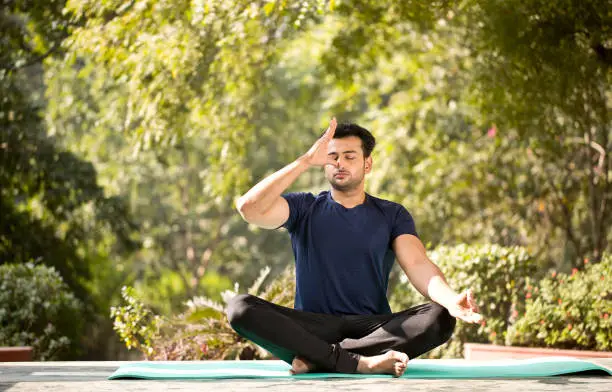
Respiratory health is one of the most important aspects of overall well-being. Healthy lungs and airways allow us to live an active life, fight infections, and maintain energy levels. While we often take breathing for granted, practicing breathing exercises can significantly improve respiratory function, reduce stress, and even enhance mental clarity.
In this article, we will explore the benefits of breathing exercises, how they improve lung capacity, and provide practical techniques you can do every day.
Why Breathing Exercises Are Important
The lungs are the primary organs responsible for oxygenating our blood and removing carbon dioxide. Over time, factors such as pollution, smoking, sedentary lifestyle, and stress can weaken our respiratory system. When the lungs do not function optimally, it can lead to shortness of breath, fatigue, and increased susceptibility to respiratory illnesses.
Breathing exercises help in the following ways:
- Strengthen the lungs: Deep breathing exercises improve lung capacity and make the lungs more efficient in oxygen exchange.
- Reduce stress and anxiety: Controlled breathing activates the parasympathetic nervous system, promoting relaxation and lowering stress hormones.
- Improve circulation: Better oxygen intake helps improve blood flow and the delivery of oxygen to muscles and organs.
- Support chronic conditions: People with asthma, COPD, or bronchitis may benefit from specific breathing techniques to reduce symptoms.
- Enhance endurance: Athletes and active individuals can improve stamina through improved oxygen utilization.
How Breathing Exercises Improve Respiratory Health
Breathing exercises work by engaging the diaphragm, chest, and accessory muscles of respiration. Over time, they help:
- Expand lung capacity: Deep breathing stretches the lungs and chest muscles, allowing more air intake.
- Clear mucus and toxins: Some techniques promote coughing and help expel phlegm, improving lung hygiene.
- Increase oxygen efficiency: Controlled breathing improves the body’s ability to use oxygen more efficiently.
- Regulate breathing patterns: Many people have shallow breathing habits. Exercises train the body to breathe deeply and slowly, improving overall lung function.
Simple Breathing Exercises You Can Practice
Here are some easy, effective breathing exercises for respiratory health. These exercises can be done anywhere, anytime, and do not require any equipment.
1. Diaphragmatic Breathing (Belly Breathing)
How to do it:
- Sit or lie down comfortably.
- Place one hand on your chest and the other on your belly.
- Inhale deeply through your nose, ensuring your belly rises while your chest stays still.
- Exhale slowly through your mouth.
- Repeat for 5–10 minutes daily.
Benefits: Strengthens the diaphragm, improves lung capacity, and reduces stress.
2. Pursed-Lip Breathing
How to do it:
- Inhale slowly through your nose for 2 seconds.
- Purse your lips as if you are blowing out a candle.
- Exhale slowly for 4–6 seconds.
- Repeat for 5–10 minutes, especially during shortness of breath episodes.
Benefits: Keeps airways open longer, improves oxygen exchange, and helps people with COPD or asthma.
3. Box Breathing (Square Breathing)
How to do it:
- Inhale through your nose for 4 seconds.
- Hold your breath for 4 seconds.
- Exhale slowly for 4 seconds.
- Hold your breath again for 4 seconds.
- Repeat for 5–10 cycles.
Benefits: Reduces stress, improves focus, and promotes a sense of calm.
4. Alternate Nostril Breathing
How to do it:
- Sit comfortably with a straight back.
- Close your right nostril with your thumb and inhale through the left nostril.
- Close your left nostril with your ring finger and exhale through the right nostril.
- Inhale through the right nostril, close it, and exhale through the left.
- Repeat for 5–10 minutes.
Benefits: Balances oxygen levels, calms the mind, and promotes relaxation.
5. Deep Cough Breathing
How to do it:
- Inhale deeply through your nose.
- Hold your breath for 2–3 seconds.
- Exhale forcefully with a cough sound.
- Repeat 5–10 times.
Benefits: Helps clear mucus, prevents infections, and strengthens lung muscles.
Tips for Practicing Breathing Exercises
- Practice regularly: Consistency is key. Even 10 minutes daily can make a difference.
- Stay relaxed: Avoid tensing your shoulders or chest while breathing.
- Create a calm environment: Practice in a quiet space for better focus and relaxation.
- Combine with healthy habits: Avoid smoking, exercise regularly, and eat a balanced diet for optimal respiratory health.
- Listen to your body: Stop if you feel dizzy or short of breath, and consult a doctor if you have existing lung conditions.
Additional Benefits Beyond Respiratory Health
While breathing exercises primarily target lung function, their impact extends to overall well-being:
- Mental clarity: Oxygen-rich blood improves brain function, focus, and memory.
- Better sleep: Relaxing breathing patterns help reduce insomnia and promote deep sleep.
- Lower blood pressure: Controlled breathing can help regulate heart rate and blood pressure.
- Pain relief: Certain breathing techniques reduce tension and can alleviate chronic pain.
Frequently Asked Questions (FAQs)
1. How often should I do breathing exercises?
For general respiratory health, 10–15 minutes daily is sufficient. People with chronic conditions may benefit from more frequent sessions after consulting a healthcare professional.
2. Can breathing exercises help with asthma?
Yes, techniques like pursed-lip breathing and diaphragmatic breathing can reduce asthma symptoms and improve oxygen intake. However, they should complement, not replace, medical treatment.
3. Are these exercises suitable for older adults?
Absolutely! Breathing exercises are gentle and can be modified for comfort. They are especially helpful for maintaining lung function with age.
4. Can breathing exercises improve athletic performance?
Yes, athletes often use deep and controlled breathing to enhance endurance, stamina, and oxygen efficiency during workouts.
5. How soon will I notice benefits?
Some benefits, like relaxation and reduced stress, can be felt immediately. Improvement in lung capacity and respiratory health may take several weeks of regular practice.
Conclusion
Breathing exercises are a simple yet powerful tool to improve respiratory health and overall well-being. They strengthen the lungs, increase oxygen efficiency, reduce stress, and even help manage chronic respiratory conditions. By incorporating techniques like diaphragmatic breathing, pursed-lip breathing, and box breathing into your daily routine, you can take proactive steps toward healthier lungs and a calmer mind.
Remember, your breath is more than just air—it’s a gateway to vitality, relaxation, and longevity. Start small, practice consistently, and enjoy the lifelong benefits of mindful breathing.