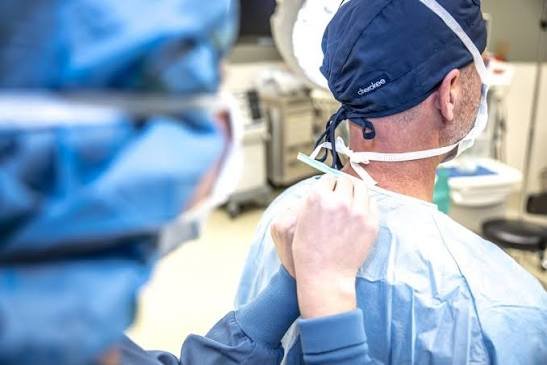
A general surgeon diagnoses and manages a broad array of medical conditions before, during, and after an operation. These doctors treat conditions ranging from appendicitis and gallstones to hernias; their training prepares them to care for the whole patient. Finding the right general surgeon starts with understanding what these doctors do; it continues with matching a surgeon’s background to your specific condition.
Understand What General Surgeons Treat
A general surgeon performs many of the common operations people need during their lifetime. These doctors operate on abdominal organs, skin, and tissues, and they treat conditions such as traumatic injuries, breast cancer, and vascular conditions. Surgeons also address conditions of the upper gastrointestinal tract and the biliary tract; when a case falls outside their scope, they refer patients to a specialist. Knowing the range of treatable conditions helps you confirm that a general surgeon fits your medical needs.
Board certification confirms that a surgeon has met defined standards. Surgeons complete four years of medical school and at least five years in a progressive surgical residency; they must pass two board exams to become certified. The first is a multiple-choice qualifying exam; the second is an oral certifying exam that follows it. A qualified surgeon holds certification in general surgery; some also hold fellowship status with the American College of Surgeons, which signals additional professional recognition.
Match Training to Your Condition
Surgeons build expertise in specific areas, so their focused training matters when you select one. Some general surgeons receive fellowship training in minimally invasive and bariatric surgery, and this preparation shapes the conditions they treat most. A surgeon with such training treats obesity, esophageal motility disorders, acid reflux, and hernias; the physician also manages acute problems such as appendicitis, diverticulitis, and gallbladder attacks. Reviewing a surgeon’s fellowship background and areas of focus helps you connect their skills to your diagnosis.
Review Surgical Methods Offered
Surgeons train in several operative techniques, and the method used affects how an operation proceeds. Modern practice includes three technology-assisted approaches:
- Endoscopy, which uses a flexible tube with a camera to perform operations without cutting through skin or tissue.
- Laparoscopic surgery, a minimally invasive technique that accesses abdominal organs through small keyhole incisions.
- Robotic surgery, a form of laparoscopic surgery in which robotic arms operate the tools while the surgeon controls them from a console.
Some surgeons receive robotic surgery training during residency or through a fellowship, and some specialists direct hospital robotic surgery programs. Asking which methods a surgeon uses clarifies what your procedure will involve.
Where a surgeon practices shapes the procedures they perform. Larger medical centers delegate certain operations to specialists, while centers with fewer specialists rely on general surgeons for more of everything. A surgeon’s affiliation with a hospital determines the resources available to you, and that setting influences both scheduling and follow-up care. Confirming a surgeon’s location, office hours, and hospital affiliation completes your review before an appointment.
Schedule a Consultation Today
A qualified surgeon combines verified credentials, focused training, and appropriate surgical methods for your condition. Start by confirming board certification, then match the surgeon’s background to your diagnosis, and finally review the practice setting where the operation will take place. Contact a surgeon’s office to request a consultation, and bring your medical history and questions so the surgeon can assess your condition and outline the next steps.