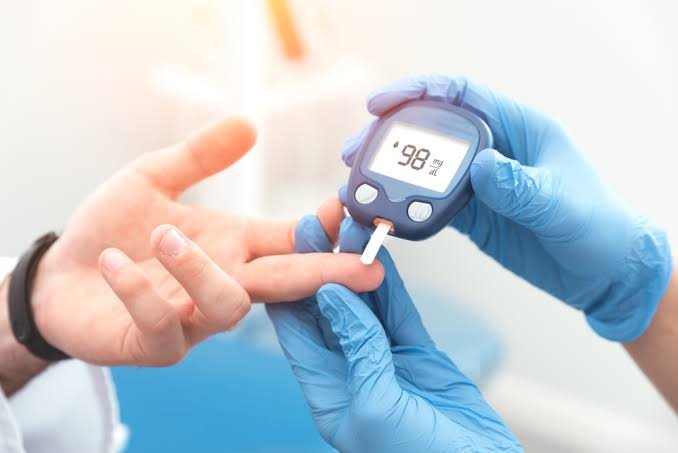
Managing diabetes is an ongoing process, and it requires medical guidance, lifestyle adjustments, and consistent monitoring. A doctor plays a central role in helping patients navigate this process, providing support from the initial diagnosis to long-term treatment. Understanding how diabetes develops and how it can be managed helps patients work effectively with their care team.
What Is Diabetes?
Diabetes is a chronic condition that affects how the body processes blood sugar, which is also known as glucose. There are two primary types: Type 1 and Type 2. Type 1 causes the body to produce little to no insulin, and in Type 2, the body either doesn’t produce enough insulin or doesn’t use it effectively. A third form, gestational diabetes, occurs during pregnancy and typically resolves after delivery.
What Causes It?
The causes of this condition vary by type. Type 1 diabetes is an autoimmune condition in which the immune system attacks insulin-producing cells in the pancreas, with genetic and environmental factors contributing to its development. Type 2 diabetes is the most common form, and it is linked to lifestyle factors such as physical inactivity, poor diet, and excess body weight. Family history, age, and ethnicity can also increase the risk of developing Type 2 diabetes.
What Are the Symptoms?
Symptoms vary in onset and severity depending on the type. Common symptoms include:
- Frequent urination and excessive thirst
- Unexplained weight loss and persistent fatigue
- Blurred vision, slow-healing wounds, and recurring infections
Some individuals with Type 2 diabetes may not exhibit symptoms in the early stages, making routine screening valuable.
How Is Diabetes Managed?
Diabetes management involves medication, lifestyle modifications, and regular monitoring. Dietary changes involve reducing refined carbohydrates and increasing fiber intake, which can significantly improve blood sugar control. Physical activity improves insulin sensitivity, and it supports healthy body weight.
Advanced tools are available for patients with complex diabetes management needs. Continuous glucose monitors (CGMs) track blood sugar levels in real time, and they transmit data to a smartphone or receiver, reducing the need for finger-prick testing. Insulin pumps deliver continuous insulin doses throughout the day, offering tighter control than multiple daily injections.
Advanced diabetes medications help regulate blood sugar, and they provide cardiovascular and kidney-protective benefits. These tools are most effective when selected and supervised by a qualified healthcare provider. Proper guidance is key, as patients may otherwise misuse devices or medications, leading to complications such as hypoglycemia or poor glucose control.
How Can a Doctor Help?
A doctor provides the clinical expertise needed to accurately diagnose the condition, and they will develop a personalized management plan. This begins with blood tests such as the HbA1c, which reflects average blood sugar levels over three months, and fasting glucose tests. Based on these results, a doctor determines the type and severity of diabetes and recommends an appropriate course of treatment.
Doctors also monitor the patient’s progress over time, adjusting medications and lifestyle recommendations as needed. Endocrinologists, specialists in hormonal and metabolic conditions, are particularly equipped to manage complex diabetes cases, and they can identify early signs of complications such as neuropathy, retinopathy, or kidney disease. Regular check-ups also allow the doctor to screen for related conditions, including high blood pressure and high cholesterol.
Consult a Doctor Today
Diabetes is a manageable condition, but it requires structured, ongoing medical support to do so safely and effectively. A doctor brings diagnostic precision, access to advanced treatments, and the clinical oversight needed to reduce the risk of complications. If you have been diagnosed with diabetes, schedule a consultation with an endocrinologist to discuss your management options.