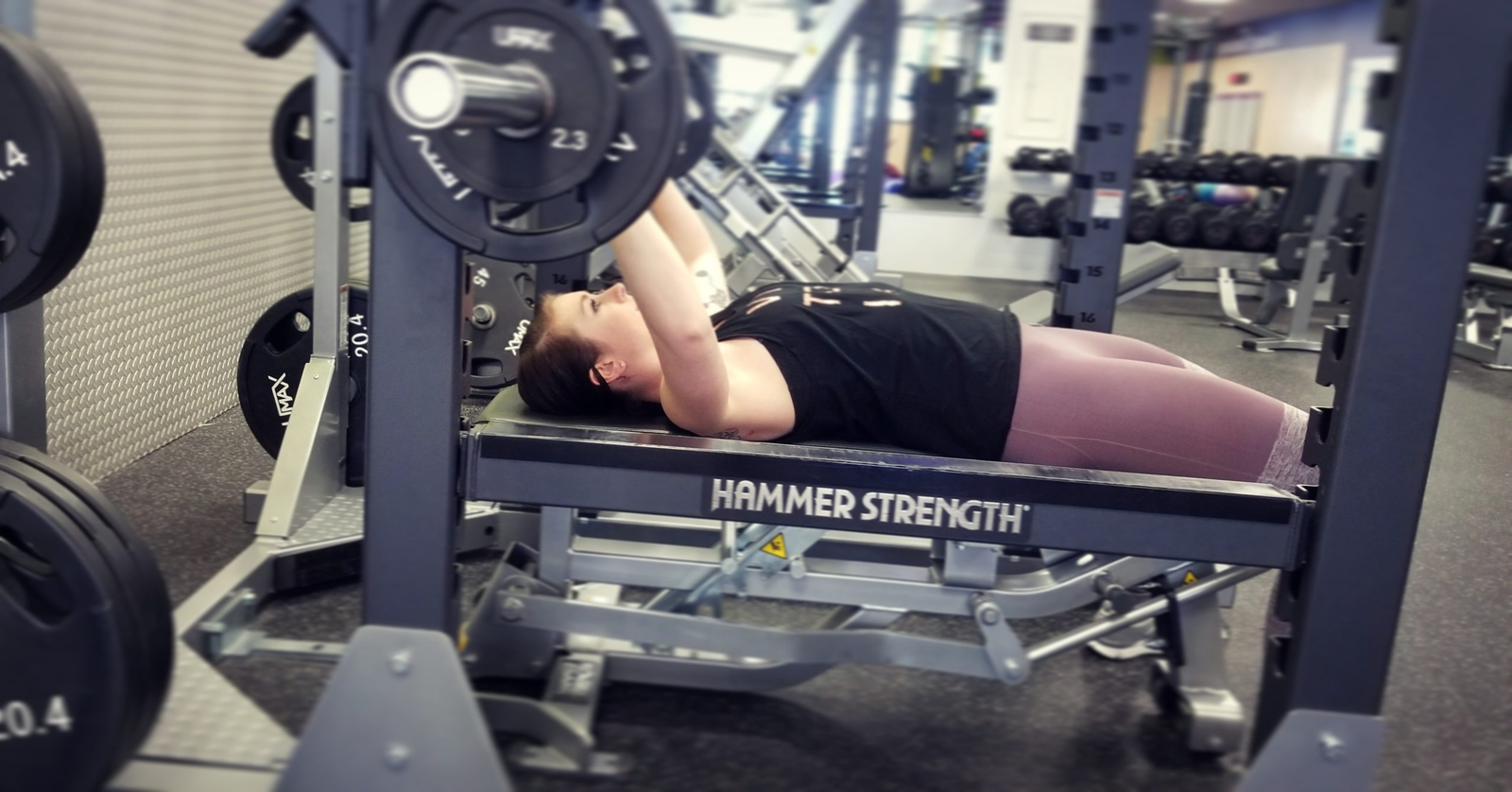
When it comes to losing weight, most people immediately think of cardio exercises like running, cycling, or aerobics. While cardio is excellent for burning calories, one of the most effective ways to shed fat and maintain a healthy body is strength training. Strength training, sometimes called resistance training, focuses on building muscle using weights, resistance bands, or even your body weight. Many people overlook it, but it’s a game-changer for weight loss and overall health. In this article, we’ll dive into how strength training helps you lose weight, why it’s better than you might think, and how to get started safely.
What is Strength Training?
Strength training is any activity that works your muscles against resistance. The goal is to make your muscles stronger, which can include exercises like:
- Weightlifting – Using dumbbells, barbells, or machines.
- Bodyweight exercises – Push-ups, squats, planks, lunges.
- Resistance bands – Stretchy bands that provide tension for muscles.
- Functional exercises – Movements that mimic daily activities, like lifting or pulling.
The key is that the muscles have to work harder than usual, which causes tiny tears in the muscle fibers. Don’t worry, this is normal! When your muscles repair themselves, they grow stronger and slightly larger, increasing your metabolism.
How Strength Training Helps with Weight Loss
You might wonder: “How does lifting weights help me lose weight if I’m not sweating as much as during cardio?” Here’s the truth:
1. Muscle Burns More Calories
Muscle tissue requires more energy to maintain than fat tissue. This means the more muscle you have, the higher your resting metabolic rate (RMR) becomes. In simple terms, having more muscle helps your body burn calories even while you’re sitting or sleeping.
2. Burns Calories During and After Exercise
Strength training burns calories while you’re exercising, but it also has an afterburn effect, technically called excess post-exercise oxygen consumption (EPOC). After lifting weights, your body continues to burn calories to repair muscles and restore energy levels. This can last anywhere from 24 to 48 hours after a workout, depending on intensity.
3. Preserves Muscle While Losing Fat
When people focus only on diet or cardio, they often lose weight, but a portion of it comes from muscle, not fat. Losing muscle slows down metabolism and can make it harder to keep weight off. Strength training ensures that the weight you lose comes primarily from fat, not muscle.
4. Improves Body Composition
Strength training doesn’t just make you lose weight—it reshapes your body. Even if the scale doesn’t show a huge drop, your clothes might fit better as you gain muscle and lose fat. This is often called recomposition, where you look leaner and more toned.
5. Boosts Confidence and Mental Health
Strength training also has mental benefits. Regular exercise, especially lifting weights, can reduce stress, boost mood, and increase self-confidence. Feeling strong can motivate you to stay consistent with both exercise and diet.
How to Start Strength Training for Weight Loss
Starting strength training might feel intimidating, but it doesn’t have to be. Here’s a step-by-step guide:
1. Set Your Goals
Decide why you want to start strength training. Are you trying to lose weight, tone your body, or build muscle? Knowing your goal helps you design the right program.
2. Choose Your Equipment
You don’t need fancy gym machines. You can start with:
- Dumbbells or kettlebells
- Resistance bands
- Bodyweight exercises
- Gym machines (if available)
3. Learn Proper Form
Proper form is crucial to prevent injuries. You can watch tutorials online, hire a trainer, or attend beginner classes. Start with lighter weights to master technique before increasing resistance.
4. Start with Full-Body Workouts
For beginners, full-body workouts are most effective. Include exercises that target all major muscle groups:
- Legs: Squats, lunges
- Chest: Push-ups, chest press
- Back: Rows, pull-ups
- Shoulders: Overhead press
- Core: Planks, crunches
5. Progress Gradually
As your strength improves, gradually increase the weight, repetitions, or sets. This is called progressive overload, which ensures continued muscle growth and calorie burning.
6. Combine with Cardio and Diet
Strength training alone works wonders, but pairing it with moderate cardio and a balanced diet accelerates weight loss. Focus on protein-rich foods to support muscle repair and growth.
Common Myths About Strength Training and Weight Loss
Even though strength training is highly effective, many myths can hold people back:
- Myth 1: “Strength training will make women bulky.”
Truth: Women typically don’t produce enough testosterone to gain huge muscles. Strength training will make you leaner and more toned. - Myth 2: “Cardio is better for weight loss.”
Truth: Cardio burns calories temporarily, but strength training boosts long-term metabolism and preserves muscle. - Myth 3: “I need to lift heavy every day.”
Truth: Rest days are essential. Muscles grow and repair during rest, not during workouts. - Myth 4: “You need a gym to see results.”
Truth: Bodyweight exercises and resistance bands are highly effective at home. - Myth 5: “If I don’t see the scale change, it’s not working.”
Truth: Muscle weighs more than fat. Your body composition may improve even if your weight stays similar.
Sample Beginner Strength Training Routine (3 Days a Week)
Here’s a simple routine you can follow:
Day 1 – Full Body
- Squats – 3 sets of 12 reps
- Push-ups – 3 sets of 10–12 reps
- Dumbbell Rows – 3 sets of 12 reps
- Plank – 3 sets of 30–60 seconds
Day 2 – Rest or Light Cardio
Day 3 – Full Body
- Lunges – 3 sets of 12 reps per leg
- Overhead Dumbbell Press – 3 sets of 12 reps
- Glute Bridges – 3 sets of 15 reps
- Bicycle Crunches – 3 sets of 20 reps
Day 4 – Rest or Light Cardio
Day 5 – Full Body
- Deadlifts (light to moderate) – 3 sets of 10 reps
- Incline Push-ups – 3 sets of 12 reps
- Dumbbell Bicep Curls – 3 sets of 12 reps
- Side Plank – 3 sets of 30 seconds per side
Rest on the other days, or include light walking or stretching. Consistency is more important than intensity at first.
Tips for Success
- Stay Consistent: Aim for 2–4 strength training sessions per week.
- Track Your Progress: Use a journal or app to note weights, reps, and body measurements.
- Focus on Nutrition: Protein is key—chicken, eggs, beans, or protein shakes help repair muscles.
- Prioritize Recovery: Sleep and rest are just as important as workouts.
- Be Patient: Results take time. Stick to your routine and trust the process.
5 Frequently Asked Questions (FAQs)
1. Can I lose belly fat with strength training alone?
Yes, strength training helps reduce overall body fat, including belly fat. Spot reduction isn’t possible, but building muscle increases metabolism and helps burn fat all over.
2. How many times a week should I do strength training for weight loss?
Beginners can start with 2–3 times a week. As you get stronger, 3–4 sessions are ideal. Rest days are essential for muscle recovery.
3. Do I need protein supplements?
Not necessarily. Whole foods like chicken, fish, eggs, beans, and nuts provide sufficient protein. Supplements are optional if your diet is low in protein.
4. Is strength training better than cardio for weight loss?
Both have benefits. Strength training builds muscle and boosts metabolism long-term, while cardio burns calories during the activity. Combining both is ideal.
5. How long before I see results?
Visible changes may take 6–8 weeks, but you may notice increased strength and energy sooner. Muscle growth and fat loss happen gradually.
Conclusion
Strength training is a powerful tool for weight loss that goes beyond what cardio can offer. It helps burn calories, preserve muscle, improve body composition, and boost confidence. By combining proper exercise, nutrition, and recovery, you can achieve long-lasting results. Remember, the key is consistency, gradual progression, and patience. Start today, and over time, your body will not just lose weight but become stronger, healthier, and more resilient.