Sleep is one of the most important parts of our daily life. It allows our bodies and minds to rest, recharge, and stay healthy. But for millions of people worldwide, sleep is not as peaceful as it should be. Sleep apnea is a common disorder that affects the quality of sleep and overall health. Understanding its symptoms and available treatments can make a significant difference in improving life quality.
What is Sleep Apnea?
Sleep apnea is a condition where a person’s breathing repeatedly stops and starts during sleep. These pauses in breathing can last for a few seconds to a minute and may happen multiple times per hour. There are three main types of sleep apnea:
- Obstructive Sleep Apnea (OSA) – This is the most common type and occurs when the muscles at the back of the throat fail to keep the airway open.
- Central Sleep Apnea (CSA) – This type happens when the brain doesn’t send proper signals to the muscles that control breathing.
- Complex Sleep Apnea Syndrome – This is a combination of OSA and CSA.
Sleep apnea can happen to anyone, but it is more common in men, people with obesity, and those over 40 years old. If left untreated, it can lead to serious health problems, including heart disease, high blood pressure, diabetes, and even stroke.
Symptoms of Sleep Apnea
Recognizing sleep apnea can be tricky because it usually occurs at night when the person is asleep. However, there are several signs and symptoms to look out for:
1. Loud Snoring
One of the most noticeable signs of obstructive sleep apnea is loud, persistent snoring. Snoring happens when the airway is partially blocked, causing vibrations in the throat. While not all snorers have sleep apnea, loud and frequent snoring is a common symptom.
2. Pauses in Breathing
People with sleep apnea often experience pauses in breathing during sleep. Bed partners may notice that the person stops breathing for several seconds and then gasps or chokes as breathing resumes.
3. Daytime Fatigue
Even after a full night of sleep, individuals with sleep apnea may feel extremely tired during the day. This is because interrupted sleep prevents the body from reaching deep, restorative stages of sleep.
4. Morning Headaches
Frequent morning headaches can be a sign of sleep apnea. They often occur due to low oxygen levels during sleep, which can put stress on the brain and blood vessels.
5. Difficulty Concentrating
Sleep apnea affects brain function, leading to memory problems, poor concentration, and difficulty focusing on tasks. Some people may even feel irritable or depressed because of chronic sleep disruption.
6. Nighttime Sweating
People with sleep apnea may wake up drenched in sweat because the body struggles to breathe during the night. This symptom is often overlooked but can indicate a serious issue.
Causes and Risk Factors
Sleep apnea occurs when the airway becomes blocked or when the brain fails to regulate breathing properly. Several factors increase the risk of developing this condition:
- Obesity: Excess weight can increase fat deposits around the neck, narrowing the airway.
- Age: Sleep apnea is more common in people over 40.
- Gender: Men are more likely to develop sleep apnea than women.
- Family History: Genetics can play a role.
- Alcohol and Sedatives: These relax the throat muscles, making airway blockage more likely.
- Smoking: Smoking increases inflammation and fluid retention in the airway.
- Nasal Congestion: Difficulty breathing through the nose can contribute to sleep apnea.
How is Sleep Apnea Diagnosed?
If you suspect sleep apnea, it is important to consult a healthcare professional. The diagnosis often involves:
- Medical History – Doctors will ask about sleep patterns, daytime symptoms, and family history.
- Physical Examination – Checking the throat, neck, and mouth for signs of obstruction.
- Sleep Study (Polysomnography) – This is the most definitive test. It monitors brain activity, oxygen levels, heart rate, and breathing during sleep.
- Home Sleep Apnea Test – For some patients, a simplified test can be done at home to track breathing patterns.
Treatment Options for Sleep Apnea
Sleep apnea can be managed effectively with the right treatment. The choice of treatment depends on the severity of the condition and individual needs.
1. Lifestyle Changes
For mild cases, simple lifestyle adjustments can make a big difference:
- Lose Weight: Even a small amount of weight loss can reduce airway obstruction.
- Exercise Regularly: Physical activity can improve overall sleep quality.
- Avoid Alcohol and Sedatives: These substances relax the throat muscles, increasing the risk of airway blockage.
- Sleep Position: Sleeping on your side instead of your back can reduce symptoms.
2. Continuous Positive Airway Pressure (CPAP)
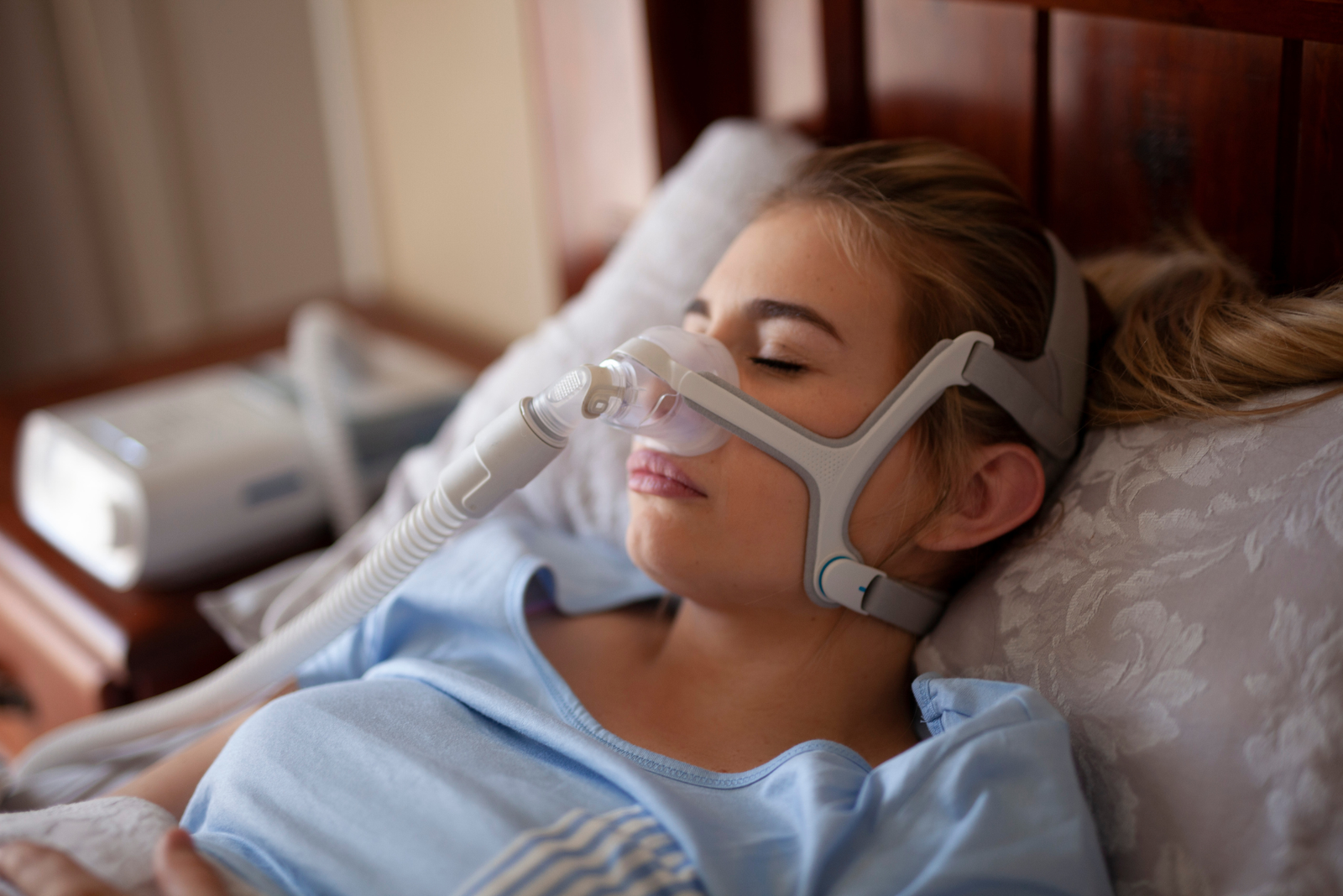
CPAP therapy is the most common treatment for moderate to severe sleep apnea. A CPAP machine delivers a steady stream of air through a mask to keep the airway open during sleep. While it can feel uncomfortable at first, most people adapt over time, and it significantly improves sleep quality.
3. Oral Appliances
For some patients, a dentist can provide a custom-made oral device that repositions the jaw or tongue to keep the airway open. This option is less invasive than surgery and works best for mild to moderate sleep apnea.
4. Surgery
Surgery may be considered if other treatments fail. Surgical options include:
- Uvulopalatopharyngoplasty (UPPP) – Removes excess tissue in the throat.
- Jaw Advancement Surgery – Moves the jaw forward to enlarge the airway.
- Implants or Devices – Some devices help stabilize the airway during sleep.
5. Medications
Currently, no medications cure sleep apnea. However, medications may help manage related conditions, such as nasal congestion or sleepiness during the day.
Living with Sleep Apnea
Managing sleep apnea is a long-term commitment. Successful treatment can:
- Reduce daytime fatigue
- Improve mood and concentration
- Lower the risk of heart disease, stroke, and high blood pressure
- Enhance overall quality of life
It’s also important to maintain regular follow-ups with your doctor to ensure the treatment continues to work effectively.
FAQs About Sleep Apnea
1. Can children have sleep apnea?
Yes, sleep apnea can occur in children, often caused by enlarged tonsils or adenoids. Symptoms include loud snoring, restless sleep, and behavioral problems.
2. Is sleep apnea life-threatening?
Untreated sleep apnea can increase the risk of serious health issues, including heart disease, stroke, diabetes, and high blood pressure.
3. Can sleep apnea go away on its own?
Mild sleep apnea may improve with lifestyle changes, but most cases require medical intervention.
4. How long does CPAP therapy take to work?
Many people notice improvements in sleep quality and daytime energy within a few nights of using CPAP regularly.
5. Are there any home remedies for sleep apnea?
Lifestyle changes like weight loss, sleeping on the side, avoiding alcohol, and maintaining a consistent sleep schedule can help, but they are usually not enough for moderate to severe cases.
Conclusion
Sleep apnea is more than just loud snoring or daytime fatigue. It’s a serious condition that affects millions of people and can have long-term health consequences if left untreated. Recognizing the symptoms early and seeking proper treatment—whether through lifestyle changes, CPAP therapy, oral devices, or surgery—can greatly improve both sleep and overall health.
By paying attention to your body and seeking help when necessary, you can take control of your sleep, energy, and well-being. Remember, a good night’s sleep isn’t just a luxury—it’s a foundation for a healthy life.